The Beautiful Unscripted: Why Real Moments Are Replacing Posed Perfection in Modern Couple Photography
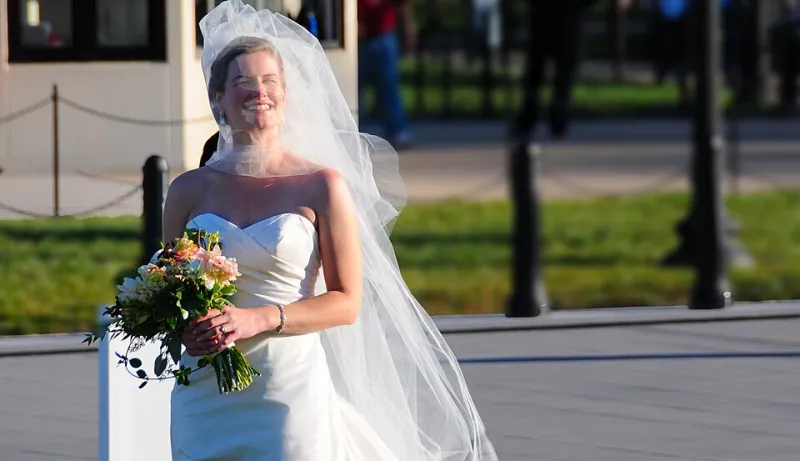
Photo: Serge Melki from Indianapolis, USA, CC BY 2.0, via Wikimedia Commons
There was a period, not so long ago, when the aspirational wedding photograph looked a specific way. The couple stood at a precise angle, bathed in golden-hour light, gazing into the distance with expressions calibrated somewhere between serenity and joy. The dress was perfectly fanned. The flowers were immaculate. The image was, in almost every technical sense, flawless.
And yet, increasingly, couples are looking at those kinds of photographs and feeling something unexpected: distance.
This is an opinion piece, and the opinion is this—the era of performed perfection in couple photography is yielding to something richer, more honest, and ultimately more enduring. The shift is not a rejection of quality or craft. It is a recalibration of what quality means when it comes to preserving the most intimate chapters of a human life.
The Instagram Effect, and Its Inevitable Backlash
For much of the 2010s, social media platforms—Instagram chief among them—fundamentally altered the visual vocabulary of wedding and engagement photography. Couples, photographers, and vendors alike began optimizing images not for personal meaning but for public performance. The metric was engagement: likes, shares, saves. The result was a visual monoculture of heavily edited, compositionally identical images that communicated aspiration rather than authenticity.
It was beautiful in the way that a showroom is beautiful—impressive, but uninhabited.
The backlash was perhaps inevitable. As digital saturation intensified and the cultural conversation around authenticity grew louder, couples began questioning what they actually wanted from their photographs. Not what would perform well online, but what would mean something privately, personally, and permanently.
Photojournalism Finds Its Place at the Altar
The photojournalistic approach to wedding and event photography—observational, unobtrusive, committed to capturing moments as they unfold rather than as they are arranged—is not new. What is new is its elevation from a secondary style to a primary one.
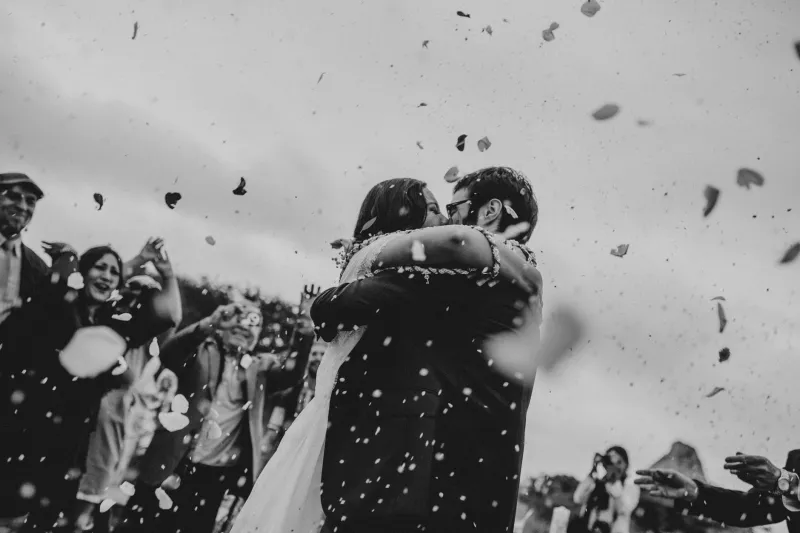
Modern couples are specifically seeking photographers who can work in the background, who can anticipate rather than direct, and who understand that the most important frame of the day might not be the first dance or the cake cutting. It might be the groom's father pressing his lips together to keep from crying during the vows. It might be the bride's best friend reaching over to straighten her veil one last time. It might be two people laughing at something private in the middle of a ceremony meant for everyone else.
Those moments cannot be staged. They can only be witnessed—and preserved by a photographer who understands their value.
What 'Beautiful' Means Now
The redefinition of beauty in couple photography is, at its core, a redefinition of what couples want their relationship to look like on record. The previous standard equated beauty with polish. The emerging standard equates it with truth.
This does not mean couples no longer want to look their best, or that technical skill has become irrelevant. Lighting still matters. Composition still matters. The difference lies in purpose. Light is now deployed in service of a genuine moment rather than a constructed one. Composition is used to draw the eye toward something real rather than something arranged.
There is also a growing recognition that imperfection itself can be a form of beauty. A wind-blown veil, a tearful expression, a burst of uncontrollable laughter mid-pose—these are the details that, twenty years from now, will make a couple remember exactly who they were on that day. Perfection, by contrast, is timeless in the least meaningful sense: it could belong to anyone.
The Deeper Cultural Current
This shift in couple photography does not exist in isolation. It reflects a broader cultural movement toward valuing authenticity across nearly every domain of American life. From the rise of unfiltered social media content to the growing appetite for documentary-style storytelling in film and television, audiences are increasingly skeptical of the overly produced and drawn toward the genuinely felt.
Couples, particularly those in their late twenties and thirties who grew up watching heavily curated social media imagery and developed a sophisticated wariness of it, are bringing that skepticism to their wedding planning. They want their photographs to feel like evidence of a life actually lived—not a performance staged for approval.
A Note on What This Means for Photographers
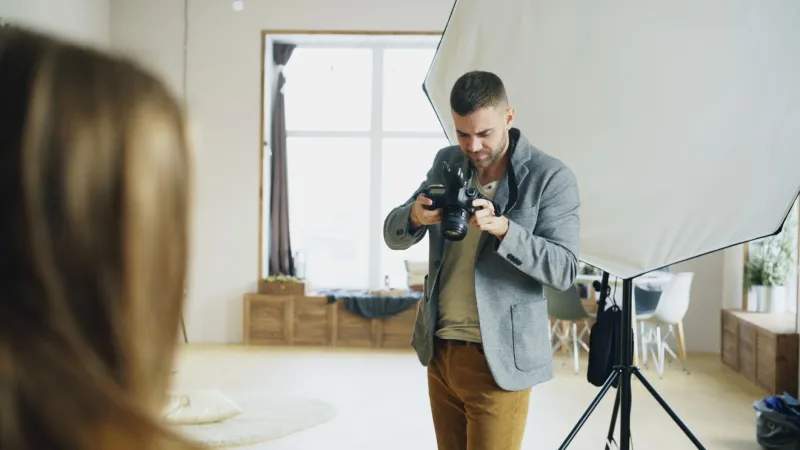
For photographers, this cultural moment is both a challenge and an invitation. The challenge is that unscripted photography demands a different and arguably more demanding skill set than traditional posing. It requires patience, perceptiveness, and the ability to build genuine rapport with subjects so that they forget, at least temporarily, that they are being photographed.
The invitation is to practice photography as it is, in many ways, most powerful: as an act of honest witness. To be trusted with someone's real moments—the ones that are messy and tender and irreplaceable—is a profound responsibility. It is also the kind of work that endures.
At SJM Photography, the most meaningful images in our portfolio are rarely the ones that were most precisely arranged. They are the ones that happened, and that we were fortunate enough to catch.