Before the Shutter Clicks: How Professional Photographers Decode Every Room They Enter
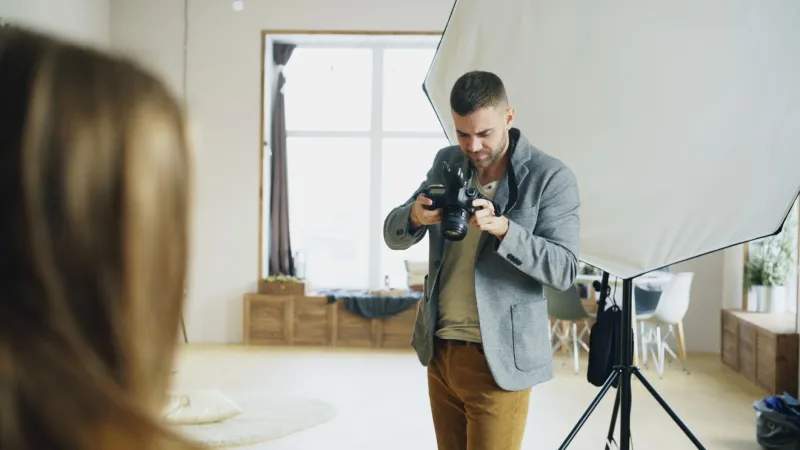
There is a moment, invisible to most guests at a wedding reception or a corporate gathering, when a professional photographer pauses at the threshold of a room and simply looks. No camera raised. No settings adjusted. Just a trained pair of eyes moving deliberately across the space, cataloguing information that will quietly shape every image captured over the next several hours.
At SJM Photography, this preparatory ritual is not incidental — it is foundational. The photographs that endure, the ones clients frame and revisit for decades, are almost never the product of luck. They are the result of careful, practiced environmental reading that begins well before a single shutter click.
Light Is a Language With Many Dialects
Among all the variables a professional photographer evaluates upon entering a space, light is the most complex and the most consequential. Natural light streaming through floor-to-ceiling windows behaves entirely differently than the warm tungsten glow of banquet hall chandeliers, and both differ dramatically from the cool, diffused output of fluorescent overhead panels common in corporate conference rooms.
A seasoned photographer identifies not just the source of light, but its quality. Is it hard and directional, carving sharp shadows across subjects' faces? Or is it soft and scattered, wrapping gently around forms and minimizing harsh contrasts? Hard light, often associated with direct sunlight or bare flash units, demands specific technical compensations. Soft light, frequently the byproduct of overcast skies or light bounced off large white surfaces, tends to be more forgiving and flattering for portraiture.
Color temperature is equally critical. Many indoor venues mix light sources — a ballroom might combine warm Edison bulbs with cool window light from the late afternoon sun — creating what photographers call a mixed-temperature environment. Without recognizing this challenge early, images can emerge with inconsistent color casts that complicate post-processing and diminish the cohesive look of a final gallery.
The Architecture of a Space Tells Its Own Story
Beyond illumination, the physical structure of a room communicates vital information. Ceiling height influences how light behaves and whether off-camera flash or bounce techniques will be practical. Low ceilings in an intimate venue, for instance, can serve as natural reflectors, while soaring cathedral ceilings in a grand hall absorb bounced light and require an entirely different approach.
Wall colors and surface textures matter more than most clients realize. A room painted in deep burgundy will reflect that color back onto subjects standing near it, introducing an unflattering cast that must be neutralized either in-camera or during editing. Mirrored walls create compositional opportunities but also present the persistent challenge of unwanted reflections appearing in frames.
Flow and spatial logic are also assessed. Where will guests naturally congregate? Which pathways will the wedding party travel during a processional? Understanding the architecture of movement within a space allows a photographer to position themselves advantageously before meaningful moments unfold, rather than scrambling reactively once they do.
Reading Emotional Atmosphere as a Technical Variable
Professional photography at the level SJM Photography pursues extends beyond purely technical considerations. There is an intuitive, human dimension to pre-shoot assessment that is equally important: reading the emotional atmosphere of a space.
A corporate headshot session held in a sleek downtown Chicago office carries a different energy than a family portrait session conducted in a sun-drenched backyard in suburban Atlanta. Both environments communicate something about the people who inhabit them, and a skilled photographer adjusts not only their technical settings but their interpersonal approach accordingly.
Is the atmosphere formal and restrained, suggesting that subjects may need gentle direction to relax? Or is the energy warm and celebratory, indicating that the photographer's role is less to direct and more to observe and anticipate? These emotional reads directly influence posing guidance, shooting distance, and even the pace at which a session unfolds. A photographer who enters every environment with the same energy and the same predetermined approach will consistently miss the nuance that transforms competent images into genuinely resonant ones.
The Walkthrough: A Ritual With Purpose
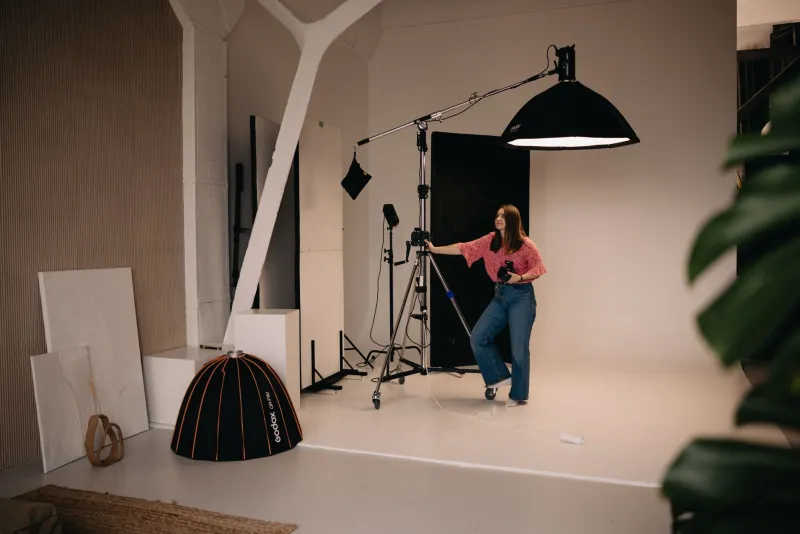
For events in particular, the professional walkthrough — typically conducted before guests arrive or before a session begins — is one of the most productive investments of time in the entire photographic process. During this period, a photographer like those at SJM Photography will identify the best available backgrounds, note which areas of the venue receive flattering light at specific times of day, and flag potential obstacles such as cluttered corners, distracting signage, or unflattering overhead lighting directly above key areas.
This walkthrough also allows for contingency planning. Outdoor portrait sessions are subject to weather shifts. Event venues sometimes change room configurations at the last moment. A photographer who has thoroughly surveyed a space possesses the mental flexibility to adapt without losing momentum or quality when circumstances change unexpectedly.
Why This Invisible Work Matters to You as a Client
For those considering professional photography services, understanding this preparatory process offers meaningful reassurance. The investment in professional photography is not simply an investment in someone's ability to press a button. It is an investment in years of trained perception, environmental intuition, and technical mastery that combine to produce images worthy of the moments they represent.
When SJM Photography arrives at your event, your portrait session, or your commercial shoot, the work has already begun — quietly, methodically, and with complete dedication to capturing your story in its most compelling form.
The best photographs do not happen by accident. They happen because someone took the time to truly see the room before ever raising the camera.