The Art of Ease: A Step-by-Step Guide to What Happens During Your First Professional Portrait Session
There is a particular kind of nervousness that arrives the morning of a professional portrait session. You've chosen your outfit twice, changed your mind once, and spent the better part of the previous evening wondering whether you'll know what to do with your hands. If that sounds familiar, you are far from alone.
The truth is, most people who sit in front of a professional camera for the first time arrive with far more anxiety than they need to. What they don't realize — until it's over — is that a skilled photographer's most important job has nothing to do with the camera. It has everything to do with making you forget it's there.
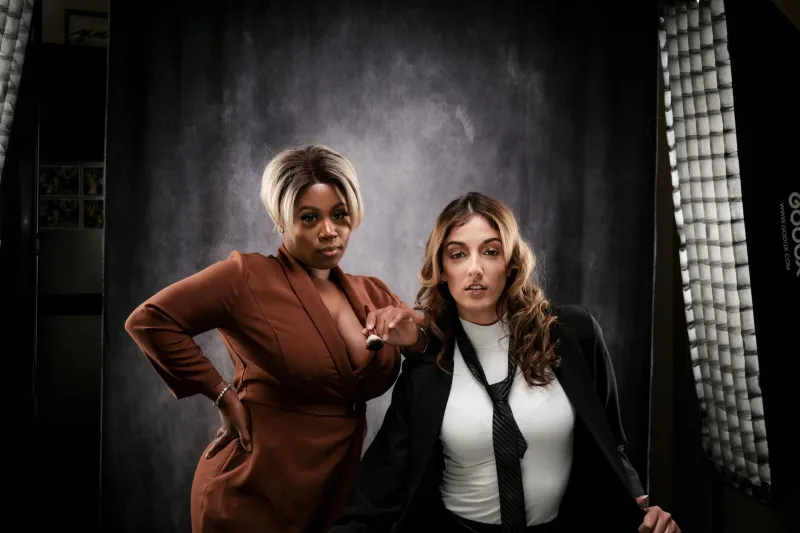
At SJM Photography, the portrait experience is designed from the ground up to be collaborative, comfortable, and genuinely enjoyable. Here is a transparent look at every stage of the process, so you can walk in prepared, relaxed, and ready to be seen.
It Begins Before the Session: The Pre-Shoot Consultation
A professional portrait session doesn't start the moment you step in front of the lens. It starts with a conversation.
Before any camera equipment is touched, SJM Photography conducts a pre-session consultation — either in person, over the phone, or via video call — to understand who you are and what you need from these images. Are these headshots for a LinkedIn profile or a corporate website? Are you building a personal brand as a creative entrepreneur? Are these portraits for a milestone birthday, a family announcement, or simply a long-overdue investment in how you present yourself to the world?
This conversation shapes everything: the location, the lighting style, the wardrobe direction, and the overall mood of the session. It also gives you a chance to voice any concerns. Many clients mention they feel unphotogenic or stiff in front of cameras. That information is not a problem — it's a starting point. A photographer who knows your hesitations can actively work to address them.
Wardrobe and Preparation: The Details That Make a Difference
One of the most common questions before a portrait session is deceptively simple: What should I wear?
The general guidance at SJM Photography leans toward clothing that feels authentically yours — not a costume, not something borrowed for the occasion. Solid colors tend to photograph more cleanly than busy patterns, and well-fitted garments tend to read better on camera than oversized or ill-fitting ones. That said, if a particular blazer or dress makes you feel confident and like yourself, that confidence will translate directly into the image.
It is also worth bringing two or three outfit options to the session. Variety gives the editing process more to work with, and a change of clothes can subtly shift the tone of a portrait from polished and professional to relaxed and approachable — both of which may serve different purposes in how you use the final images.
Beyond clothing, arrive well-rested if possible, and give yourself enough time to get there without rushing. Frantic energy is difficult to photograph away. A calm arrival makes a meaningful difference.
On Location: How the Session Actually Unfolds
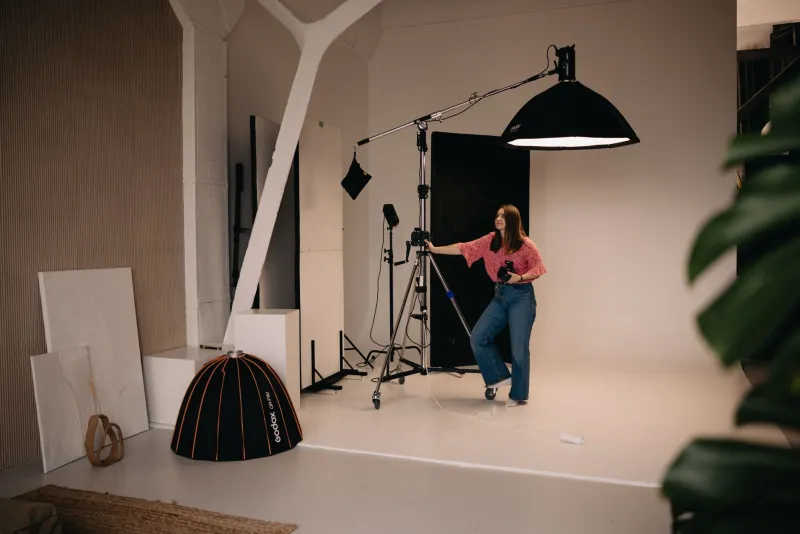
When you arrive, the first few minutes are deliberately unhurried. There is no immediate pressure to perform. The photographer may walk you through the space, discuss the lighting setup, or simply talk with you — not about photography, but about you. This is intentional.
The goal of those early moments is to let your nervous system settle. Most people find that within ten to fifteen minutes, the awareness of the camera begins to fade. The conversation becomes more natural, the posture softens, and the expressions that emerge start to reflect the real person rather than the idea of someone trying to take a good photo.
Throughout the session, a professional photographer provides gentle, specific direction rather than vague commands like "smile" or "look natural." You might be asked to shift your weight slightly, tilt your chin just a degree or two, or look toward a particular point of light. These micro-adjustments are the technical craft working quietly in the background — and they make an enormous cumulative difference in the final result.
At SJM Photography, clients are also shown select images during the session itself. This serves two purposes: it allows for real-time adjustments, and it gives you visual confirmation that the photographs are working. Seeing a strong image of yourself mid-session is one of the fastest ways to dissolve whatever self-consciousness remains.
The Editing Process: Where the Image Becomes the Portrait
Once the session concludes, the work continues behind the scenes. Professional portrait editing is not about making you look like someone else — it is about removing distractions so that the authentic version of you comes through with full clarity.
At SJM Photography, retouching is applied with a careful, considered hand. Temporary blemishes may be softened. Lighting inconsistencies are balanced. Color tones are refined to reflect the mood established during the shoot. What is preserved — always — is what makes you recognizably, genuinely you.
The turnaround time for final image delivery varies depending on the scope of the session, and that timeline is communicated clearly during the consultation. When the images arrive, they are delivered in a format optimized for your intended use, whether that means high-resolution files for print, web-optimized versions for digital profiles, or both.
Why Comfort Is as Important as Craft
Technical excellence in photography — mastery of light, composition, and timing — is non-negotiable. But at SJM Photography, the belief runs deeper than that: the most technically perfect photograph in the world falls flat if the subject never felt at ease.
Authentic portraiture is a collaboration. It requires trust between the person behind the lens and the person in front of it. When that trust is established — through clear communication, genuine attention, and a process built around the client's experience — what emerges in the final image is something that no amount of technical skill alone can manufacture.
It is the version of you that the people who know you best would immediately recognize.
If you have been putting off a professional portrait session because the process felt uncertain or intimidating, consider this your invitation to begin. The first step is simply a conversation — and that part, at least, requires no preparation at all.