Photographs That Age Well: A Practical Guide to Timeless Choices in Style, Editing, and Presentation
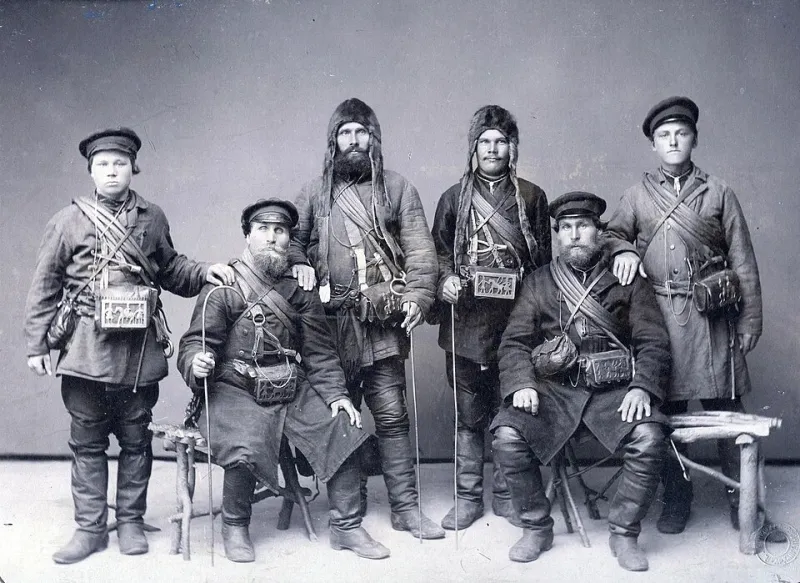
Photo: Yakov Leuzinger, Public domain, via Wikimedia Commons
Opening a box of photographs from fifteen years ago is a reliable exercise in humility. The heavy orange color grading, the extreme vignetting, the selective color effects that turned everything monochrome except for a single red object—these were, at the time, considered sophisticated. Today, they are unmistakable markers of a specific era, as dateable as a particular hairstyle or a flip phone on a nightstand.
This is not a criticism of the photographers who made those choices. Trends exist because they reflect a genuine aesthetic moment. The question worth asking, however, is whether every photograph needs to be a document of its own era, or whether some images—particularly those made for personal branding, family legacy, or professional use—are better served by choices that will remain visually coherent for decades to come.
The following guide addresses exactly that: how to make photographic decisions, from editing to wardrobe to setting, that will serve you well not just today but well into the future.
Editing Style: The Most Perishable Element of Any Photograph
Of all the decisions that determine how a photograph ages, post-processing style is simultaneously the most impactful and the most prone to dating. Editing trends move quickly and leave clear fingerprints.
What ages poorly:
- Heavy desaturation combined with lifted shadows (the so-called "matte" look that dominated social media in the early 2020s)
- Extreme color grading that pushes skin tones toward orange, teal, or green
- Crushed blacks and artificially boosted clarity or texture
- Selective coloring or HDR-style tone mapping
- Overly aggressive skin smoothing that removes all texture
What ages gracefully:
- Clean, accurate color rendition with natural skin tones
- Balanced contrast that retains detail in both highlights and shadows
- Subtle film emulation that adds warmth without distorting color relationships
- Editing that enhances what was actually present in the scene rather than imposing a mood that wasn't
The guiding principle is restraint. Editing that calls attention to itself is, almost by definition, trend-dependent. Editing that disappears into the image—that makes the photograph feel simply true—tends to endure.
Film vs. Digital: A Word on Format
The resurgence of film photography in the United States over the past several years is, in part, a response to the very problem this article addresses. Film photographs from the 1970s and 1980s look, to modern eyes, beautiful and timeless. Many digital photographs from 2012 look immediately, unmistakably dated.
This is not because film is inherently superior. It is because the visual characteristics of film—its grain structure, its color response, its tonal range—are not tied to a software trend. They exist outside the cycle of digital editing fashions.
For clients seeking longevity, requesting a photographer who offers film options, or who uses digital processing that emulates film's organic qualities without mimicking specific trendy looks, is a reasonable and worthwhile consideration.
Wardrobe: Dressing for the Archive
Clothing choices are among the most obvious temporal markers in any photograph. The goal for timeless portraiture is not to dress in a way that is aggressively neutral—that approach tends to produce images that feel sterile—but to dress in a way that reflects genuine personal style rather than peak-trend fashion.
Choices that tend to age well:
- Classic silhouettes in solid, muted, or earth-tone palettes
- Natural fabrics with visible texture (linen, wool, cotton)
- Tailored pieces that fit well and reflect your authentic aesthetic
- Minimal, understated accessories
Choices that tend to date quickly:
- Statement pieces that are identifiable as belonging to a specific trend cycle
- Heavily logoed or branded items
- Extremely oversized or extremely fitted silhouettes at the outer edge of current fashion
- Trendy color combinations that are heavily associated with a particular moment
The question to ask yourself when selecting wardrobe for a professional session is simple: would this look feel appropriate in a photograph from ten years ago, and would it look appropriate in one taken ten years from now? If the answer to both is yes, you have found your wardrobe.
Setting and Environment: Context Without Clutter
Backgrounds and environments carry their own temporal signatures. Certain locations that feel fresh and distinctive in a given moment—a particular mural, a specific urban aesthetic, a trend-driven interior design style—can become associated so strongly with a specific period that they inadvertently date every image made in front of them.
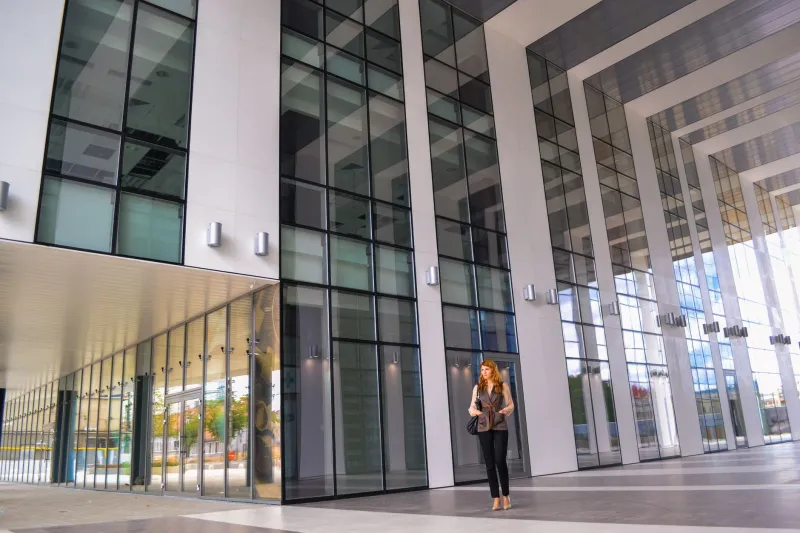
Timeless settings tend to share certain qualities: they are natural or architectural rather than decorative, they provide visual interest without visual noise, and they do not rely on a specific cultural moment for their relevance. Open fields, architectural interiors with clean lines, forests, and urban environments that emphasize structure over decoration tend to serve photographs well across time.
Posing: The Difference Between Directed and Performed
Posing trends are as susceptible to dating as editing trends. The exaggerated angles, the specific hand placements, the particular way subjects were directed to interact with the camera in a given era—these become identifiable markers over time.
Directed but natural posing—in which a photographer guides subjects toward genuine ease and authentic expression rather than toward a prescribed contemporary aesthetic—produces images that feel real rather than of-the-moment. The subject's personality is the constant; the photographer's job is to reveal it rather than to impose a current visual convention upon it.
The Investment Perspective
For clients commissioning personal branding photography, the timelessness question is also a practical financial one. A personal branding shoot that looks current for two years and dated by year three is a different investment than one that remains visually coherent and professionally relevant for a decade.
At SJM Photography, we approach every session with an awareness of both the present moment and the longer arc. The goal is always to create work that earns its place not just in this year's portfolio, but in the archive of a life well documented.