The Quiet Checklist: Building an Event Shot List That Protects the Moments That Matter
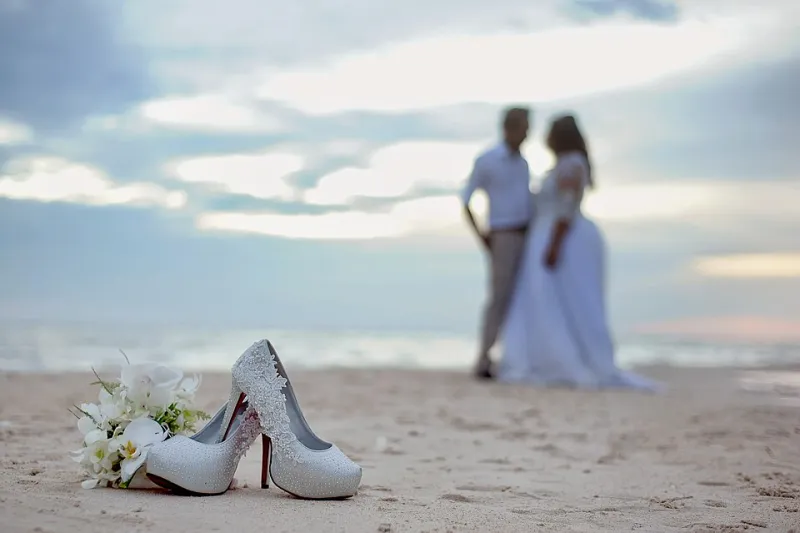
Photo: Ibrahim Asad, CC BY 3.0, via Wikimedia Commons
Every experienced event photographer arrives with a mental inventory: the first look, the keynote handshake, the cake cutting. But the moments clients later describe as the most meaningful are often the ones nobody wrote down. A thoughtful shot list closes that gap — and the best ones are shorter, more honest, and more useful than most hosts expect.
Why Shot Lists Get a Bad Reputation
Ask any working photographer about shot lists and you may see a flicker of hesitation. The concern is legitimate: a list that reads like a screenplay forces the photographer to direct rather than observe. Events breathe. A keynote runs long. A grandmother lingers at the head table. When a photographer is glued to a checklist of forty poses, the unscripted moments — the ones that end up framed — slip past unnoticed.
The solution is not to abandon planning. It is to plan differently.
The Three-Tier List
Professional event photographers tend to think in tiers, and clients benefit from adopting the same structure.
Tier one: the non-negotiables. These are the images whose absence would be genuinely felt — the first dance, the award presentation, the toast reaction on your father's face. Keep this list to eight or ten items maximum. If everything is a priority, nothing is.
Tier two: the people list. Rather than listing poses, list combinations of people. Grandparents with grandchildren. College roommates reunited. The longtime office manager retiring this year. A names-based list is far more actionable than a gesture-based one, and it gives your photographer permission to seek people out naturally during the reception or networking hour.
Tier three: the atmosphere wish. This is where you describe a feeling rather than a frame: the room before doors open, the string lights at dusk, the quiet hallway conversation between sessions. Photographers excel at this tier when given the freedom to interpret it.
The Moments Clients Always Forget
After years of covering weddings, galas, and corporate functions across the United States, certain omissions appear again and again:
- The reaction shots. Clients ask for the toast; they forget to ask for the faces listening to it. Reactions are frequently the most emotionally resonant images from any event.
- The venue empty and full. Months of planning deserve documentation. A photograph of the room before guests arrive is often the only proof of how much work went into it.
- The hosts themselves. It sounds absurd, but hosts are routinely absent from their own event galleries because they spend the evening hosting. Explicitly request portraits of the people who made the night happen.
- The details with stories. The centerpieces made by hand, the corsages matching a family tradition, the banner printed for a ten-year anniversary. Photographers cannot know what carries meaning unless someone says so.
- The departures. Everyone photographs arrivals. The goodbye hugs at the end of the night, when guards are down, are frequently the warmest frames of the entire gallery.
Communicating Priorities Without Micromanaging
The most effective briefing happens in a single conversation, ideally one to two weeks before the event. Bring your tiered list, but frame it as context rather than instruction. Useful phrases include: "My grandmother is 87 and tires early — her photos should happen before dinner," or "The toast is the emotional center of the evening for us."
Equally important is telling your photographer what you do not need. If you have no interest in a staged exit line-up, say so. Editing the list is as valuable as building it.
For corporate planners, add logistics to the brief: the CEO's speaking slot, the sponsor signage that must appear in coverage, the embargo on photos of unreleased products. Photographers want this information; it simply needs to be offered.
Protecting the Vibe
Finally, trust the structure you have built. A good shot list functions like a flight plan — it ensures nothing critical is missed, but the photographer still flies the plane. Assign one reliable friend or colleague to help gather family members for the people list so the photographer is not chasing relatives across a ballroom. Then step back and let the evening happen.
The galleries clients treasure most rarely look planned. They look lived-in. A disciplined, tiered shot list is not the enemy of spontaneity — it is the thing that makes spontaneity safely photographable.